Market outlook
Rising Outlook 7/10
Recent sales data shows substantial price appreciation with lightly played copies gaining 80.7% value over 30 days. Continued nostalgia-driven demand from 1990s Pokémon revival, renewed collector interest, and recognition of Charizard's iconic status support upward momentum.
Next months. Positive - Expect continued appreciation in near term (3-6 months), particularly for Lightly Played and Near Mint conditions. Recent 30-day gain suggests strong momentum, though some price stabilization may occur after sharp appreciation.
Long term. Moderately Positive (1-3 years) - Base Set 2 Charizard should maintain value with gradual appreciation, driven by lasting collector demand and scarcity of high-condition copies. Price ceiling remains lower than 1st Edition variants, but the card represents solid long-term value within the broader vintage Pokémon TCG market.
History
Charizard is a Fire/Flying-type Pokémon that evolves from Charmeleon. It is one of the original 151 Pokémon from Generation I and represents the final evolution of the starter Pokémon Charmander. Charizard has become an iconic and highly sought-after character in the Pokémon franchise due to its dragon-like appearance and powerful status.
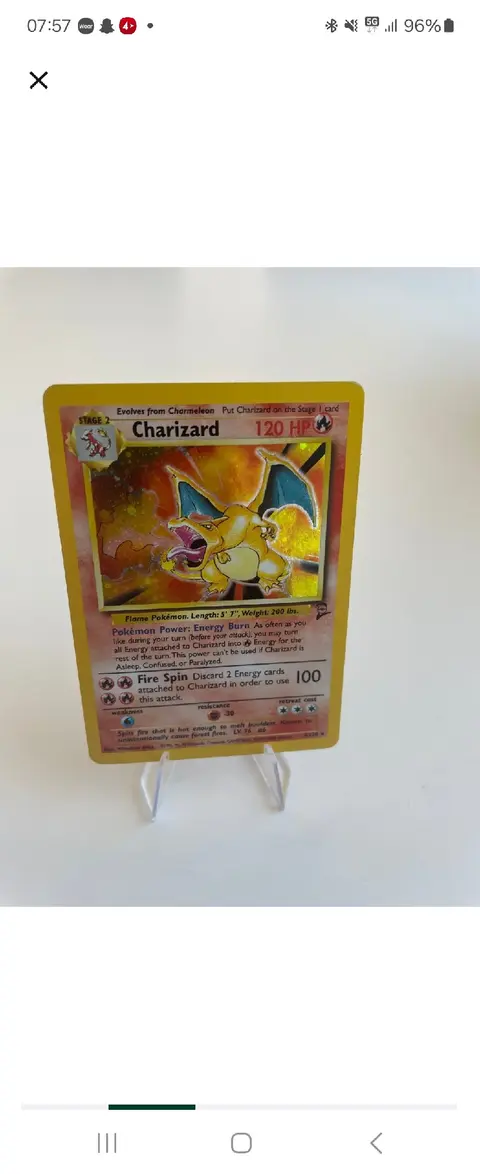
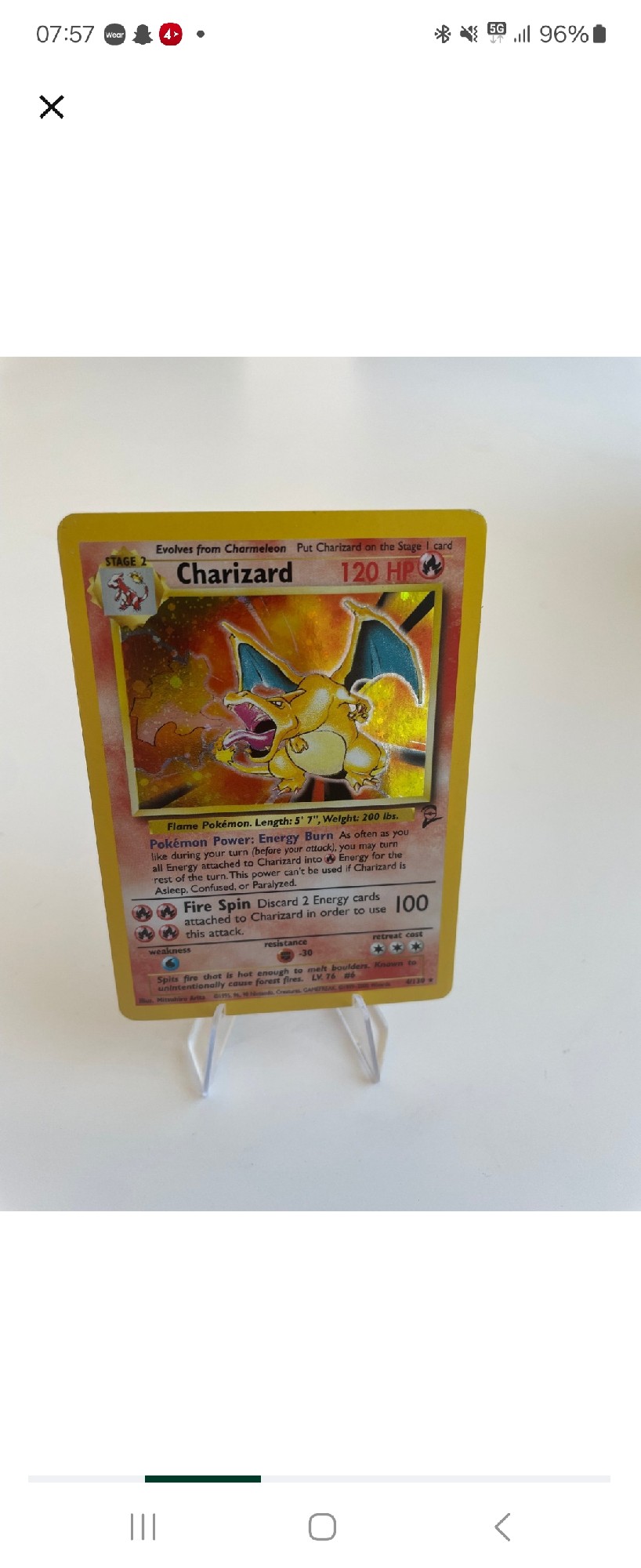
Base Set 2 was released in 2000 as a reprint set of the original Base Set cards from 1999. This specific Charizard #4/130 Holo was printed during the Base Set 2 release in 2000.
- Charizard Base Set cards are among the most valuable and collectible Pokémon Trading Card Game cards
- Base Set 2 Charizard is less valuable than original Base Set Charizard (which features a shadowless border), but remains highly desirable
- The holo pattern and condition significantly impact the card's value
- Recent market activity shows strong price appreciation, with lightly played conditions gaining 80.7% value in 30 days as of April 2026
Rarity and print run
- Tier
- Rare Holo
- Print run
- Very High
- First printed in
- Pokémon Base Set (1999) - Charizard originally printed in the inaugural set; this specific copy is from Base Set 2 (2000)
- Demand
- Very High
- Supply
- Medium
- Base Set 2 was a reprint set with very high print volumes, making individual copies more common than 1st Edition variants
- Holo rarity designation indicates it is rarer than common/uncommon cards but less scarce than secret rares or special editions
- Most Base Set 2 copies found in circulation show moderate to heavy wear due to age and use
- Near Mint and Mint condition copies are considerably scarcer than played or worn copies
Collector notes
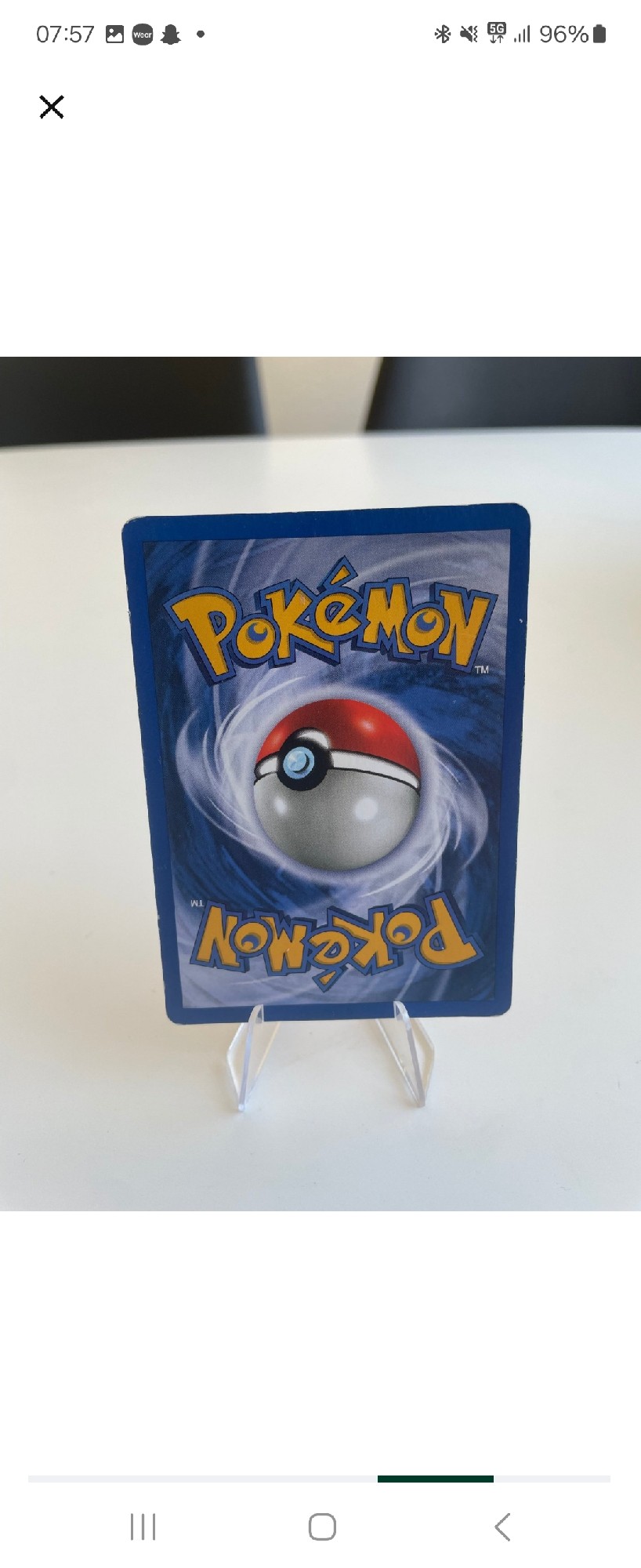
Condition. Key evaluation factors include holo pattern visibility and clarity, surface scratches on the holo layer, corner wear and creasing, edge wear from handling, centering of the image on the card, and print lines or defects. Common flaws include holo scratching from handling, corner whitening from shuffling, edge wear, and surface wear on the holo pattern. Base Set 2 cards typically show more wear than 1st Edition cards.
Storage. Store in protective sleeves (archival quality) with reinforced flaps to prevent sliding. Use toploader or rigid card holder for additional protection. Maintain storage in climate-controlled environment (60-70°F, 40-50% humidity) away from direct sunlight, moisture, and temperature fluctuations. Avoid stacking heavy items on cards and store horizontally or in vertical positions with proper support. Use acid-free materials exclusively.
Authenticity. Examine printing quality and registration alignment. Authentic Base Set 2 cards have clean, crisp print lines. Check holo pattern authenticity - Base Set 2 holo patterns have specific characteristics distinct from fakes. Verify card weight and thickness. Look for inconsistencies in card stock, color saturation, and border quality. Counterfeits often show poor print registration, incorrect holo patterns, and inferior card stock. Professional grading (graded, graded/graded) is recommended for high-value copies.